Review of 'The Changeling' by Kate Forsyth
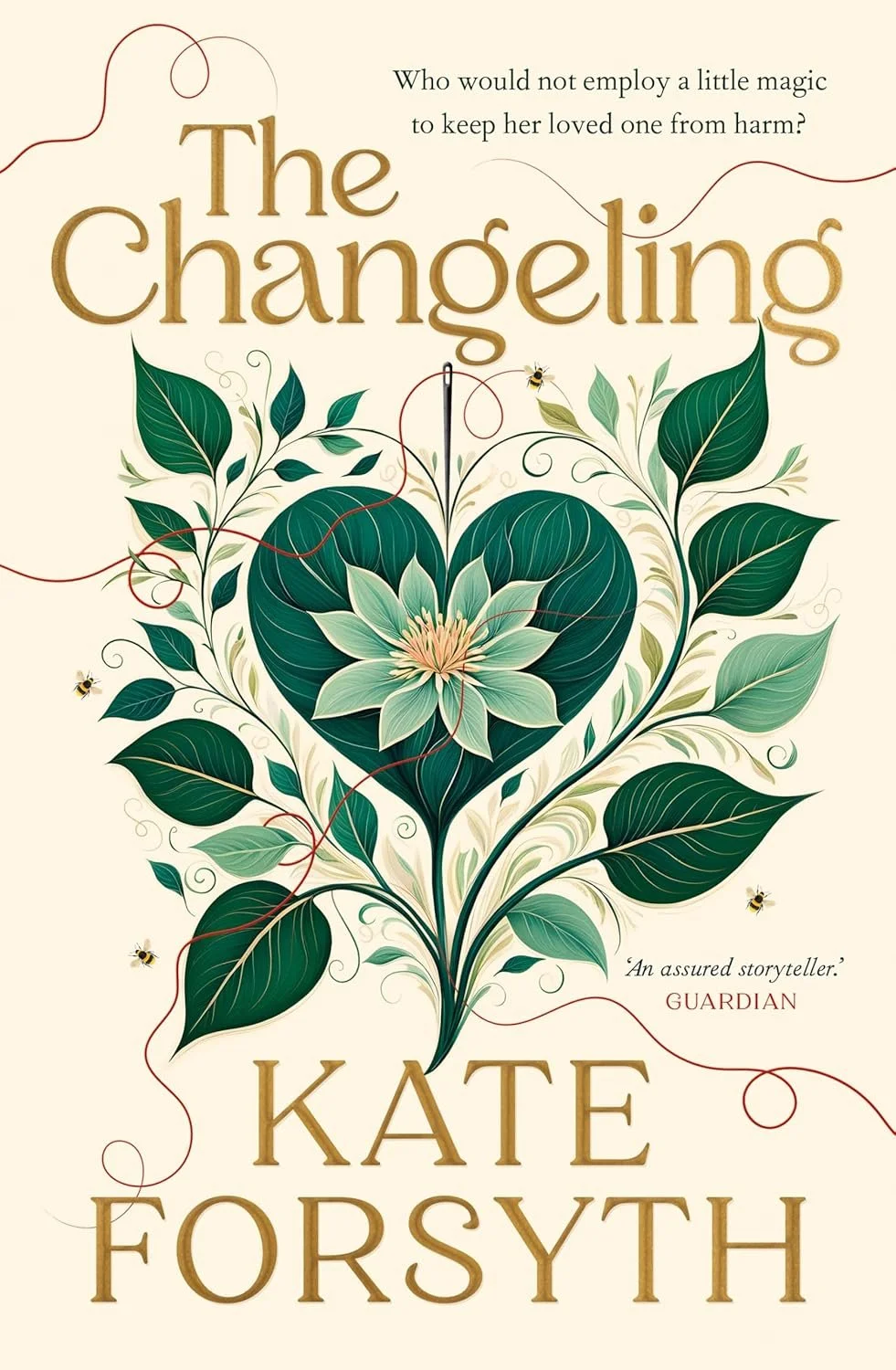
Review of 'The Changeling' by Kate Forsyth
Release date: July 7th, 2026
Publisher: Penguin Random House
🦋
REVIEW
The Changeling is another magical, mystical, and deeply memorable read from our beloved fairy-tale queen, Kate Forsyth. This spellbinding novel shines as bright as the stars, offering an exceptional blend of Scottish history, mystery, and folklore. I was so deeply invested in the complex characters and dramatic plot that I slipped effortlessly into this imaginary world, becoming fully immersed in its time, space, and social environment. Charmed by the magnificent, poetic prose, I was completely hooked.
Traditional Scottish fairy tales are famously dark, filled with horror and fearsome foes that are far removed from today's sanitised versions. Kate Forsyth masterfully weaves the Orkney fairy tale of Kate Crackernuts into this changeling story, setting it against the backdrop of the court of Mary, Queen of Scots. This intricate tapestry of history and folklore gives the narrative remarkable substance and sparkle.
On her fourteenth birthday, protagonist Caiti NicNeven discovers a horrifying truth: she is a changeling, the daughter of the Faerie Queen of the Sidhe. Refusing to become an instrument of destruction for her mother—who is at war with humanity—Caiti must navigate a dangerous path. For readers unfamiliar with the concept, European folklore defines a changeling as a supernatural creature left in place of a kidnapped human child. Rooted in Celtic, Germanic, and Nordic traditions, this myth may have originally developed to explain behavioural issues, developmental delays, or genetic differences in children, offering a historical explanation for what communities did not yet understand.
Why did fairies abduct human children? Folklore suggests they coveted the health and beauty of human babies, seeking to renew their own dwindling lineages through cross-breeding or by rearing their offspring in human environments. In darker tales, these abductions were fuelled by sheer malice, reducing stolen children to forced labour.
The historical framework of The Changeling grounds these myths in the reign of Mary Queen of Scots and the Anti-Witchcraft Act of 1561. This marked the brutal beginning of the early modern witch hunts—a crusade designed to silence and disempower women. Demonising the supernatural provided a false sense of security built on fear and ignorance, allowing people to rationalise a chaotic world. Much like the past witch trials, society still tends to vilify what it does not understand.
The Changeling masterfully explores female agency—a woman's right to dictate her own choices, independence, and destiny free from the control of men, family, or societal expectations. The novel illustrates how women across all walks of life were pursued and persecuted by men desperate to consolidate power. Even at the highest level of society, Mary Queen of Scots found herself ensnared by this oppressive climate, ruthlessly manipulated by political enemies who weaponised the dark, paranoid politics of the era to strip away her authority.
The Changeling is a powerful example of the Female Agency theme as it gives us two distinct, oppressive worlds: patriarchal 16th Century Scotland and the magical, manipulative realm of the Faery Court. Female Agency is seen in this novel’s plot and character arc of Caiti.
Firstly, Caiti defies destiny and the forced rules after she discovers she is a changeling and then goes against her birth mother Queen of Sidhe’s plans to make her a weapon of war against humans. She is expected to obey family tradition but she refuses, then flees and chooses her own path over a predetermined magical destiny. Secondly, we see through Caiti and even Mary Queen of Scots how women in the past lived and coped within systems that placed them at social legal, economic or physical disadvantage. Patriarchal structures, violence, childbearing, lack of female health care put restrictions on women in their options or choices. Despite these challenges, women adapted, built networks, fought against oppression and grasped whatever power they could in the confined spaces they were placed. They rose above victimhood with resilience working hard and contributing where they could.
When Caiti flees to the court of Mary, Queen of Scots, she must navigate magic, political intrigue, and forbidden love. In this setting, female agency is actively under attack. Religious fervour and the Anti Witchcraft Act, have put all independent women in grave danger. Exercising agency here becomes a dangerous act of survival. And Caiti's loyalty to the young Queen Mary is put to the ultimate test. Even though Mary Queen of Scots is a powerful woman, she is still constrained and pressured by powerful men (hence the Anti- Witch Act).
But this challenge opens a door for opportunity in the faery world side of things where her mother’s evil plots are at work. Robbie has been cursed by the Faerie Queen to dance himself to death. And Caiti becomes the heroine to save him, thus shifting the power dynamic. Reversing the Damsel—in—Distress role means ‘the girl saves the guy’ and she does not wait for another to free her lover. She takes initiative and creates a plan in how to save him herself. Caiti exercises her own free will, acts bravely and ignores her own safety to save her beloved.
By the end of the book, Caiti transforms from being a victim of circumstance into reigning as master of her own destiny, claiming a "wild, dangerous magic of her own." This character arc is a powerful testament to female agency. Instead of surrendering to her mother’s manipulative control or hiding from the paranoia of human courts, she chooses to define herself on her own terms and embraces her "witchling" heritage and identity.
The Changeling is a spellbinding masterpiece about stepping out of the shadows, conquering fear, and dictating one's own identity in a world that wants to limit or box in women. The blend of history and folklore is seamless. An unforgettable story of great imagination and purpose. Heroine Caiti’s wish continues to echo across the centuries: ‘Let there be a world where love is never wrong.’ 5 Stars ⭐️⭐️⭐️⭐️⭐️
Thanks to Penguin Books and Kate Forsyth for a review copy.
❤️🔥