Interview with Luisa A Jones, Author of Before the Mountain Falls
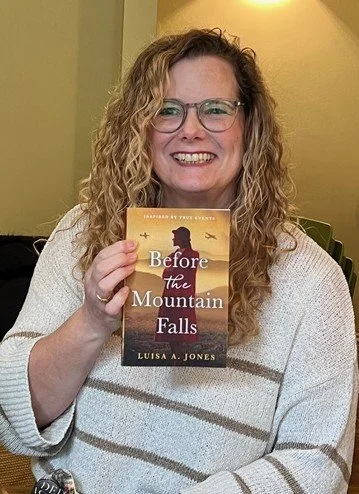
Interview with Luisa A Jones

Author of Before the Mountain Falls

Link to my Review of ‘Before the Mountain Falls

About the Author:

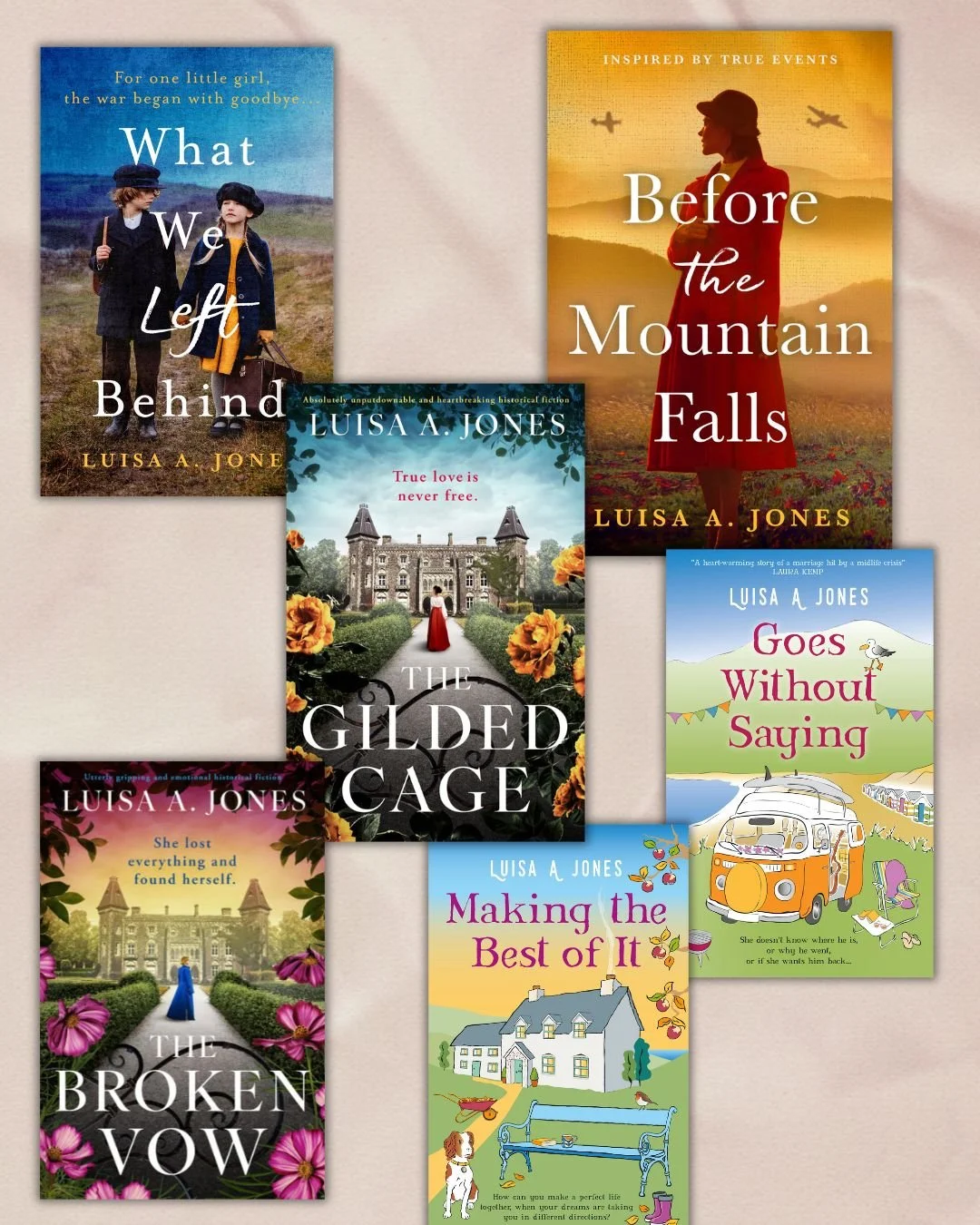
Luisa A Jones lives in South Wales. She writes to explore the complex, messy truths of the human condition, with flawed and relatable characters you’ll root for from the first page. Her first historical novel in The Fitznortons series, The Gilded Cage, was released by Storm Publishing in 2023, followed by a sequel The Broken Vow in 2024. She is currently writing a series for Storm Publishing, set during the Second World War.

What We Left Behind the first book in the WWII series, was released in summer 2025. The second, Before the Mountain Falls, is scheduled for publication in March 2026.

Luisa studied Classical Studies at Royal Holloway and Bedford New College, University of London. Her previous jobs have included tour guide in an historic house; teacher in both primary and secondary schools; careers adviser; and corporate trainer/assessor/coach.

Luisa loves using her creativity for crafting and baking, as well as writing historical and contemporary fiction with romantic elements. She and her husband are the proud owners of Gwynnie, a Volkswagen camper van built in 1974, which inspired the story behind Luisa’s first book, Goes Without Saying. They have three children, a dog, and two cats.

Becoming an author fulfilled a lifelong ambition. Her first historical novel, The Gilded Cage was released on 22nd June 2023 and within a week was an Amazon Victorian Historical Romance bestseller in the UK and the USA.

🌻 🌻 🌻 🌻 🌻

INTERVIEW
 

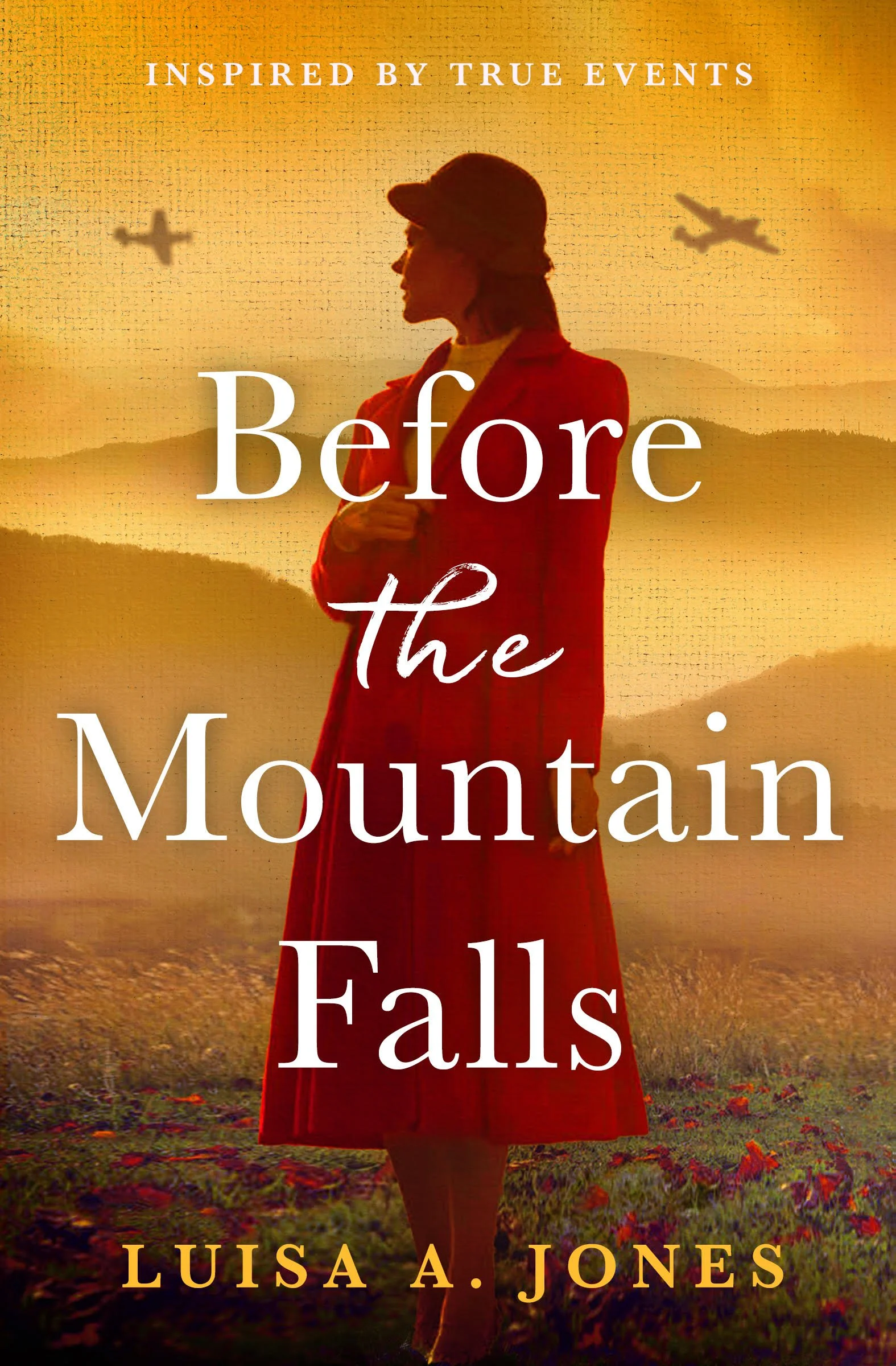
Please share the inspiration behind Before the Mountain Falls and a brief description of what the novel is about?

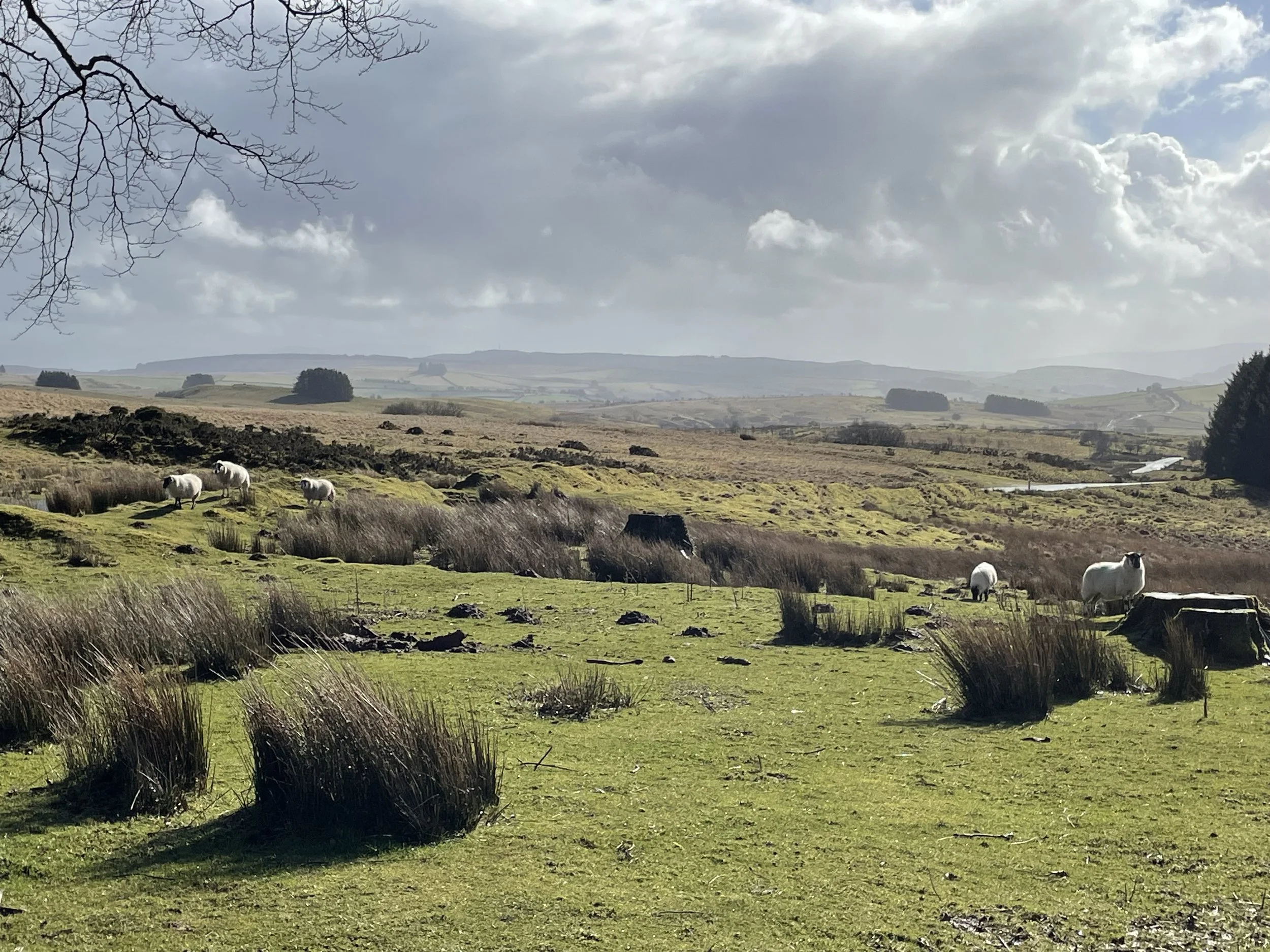
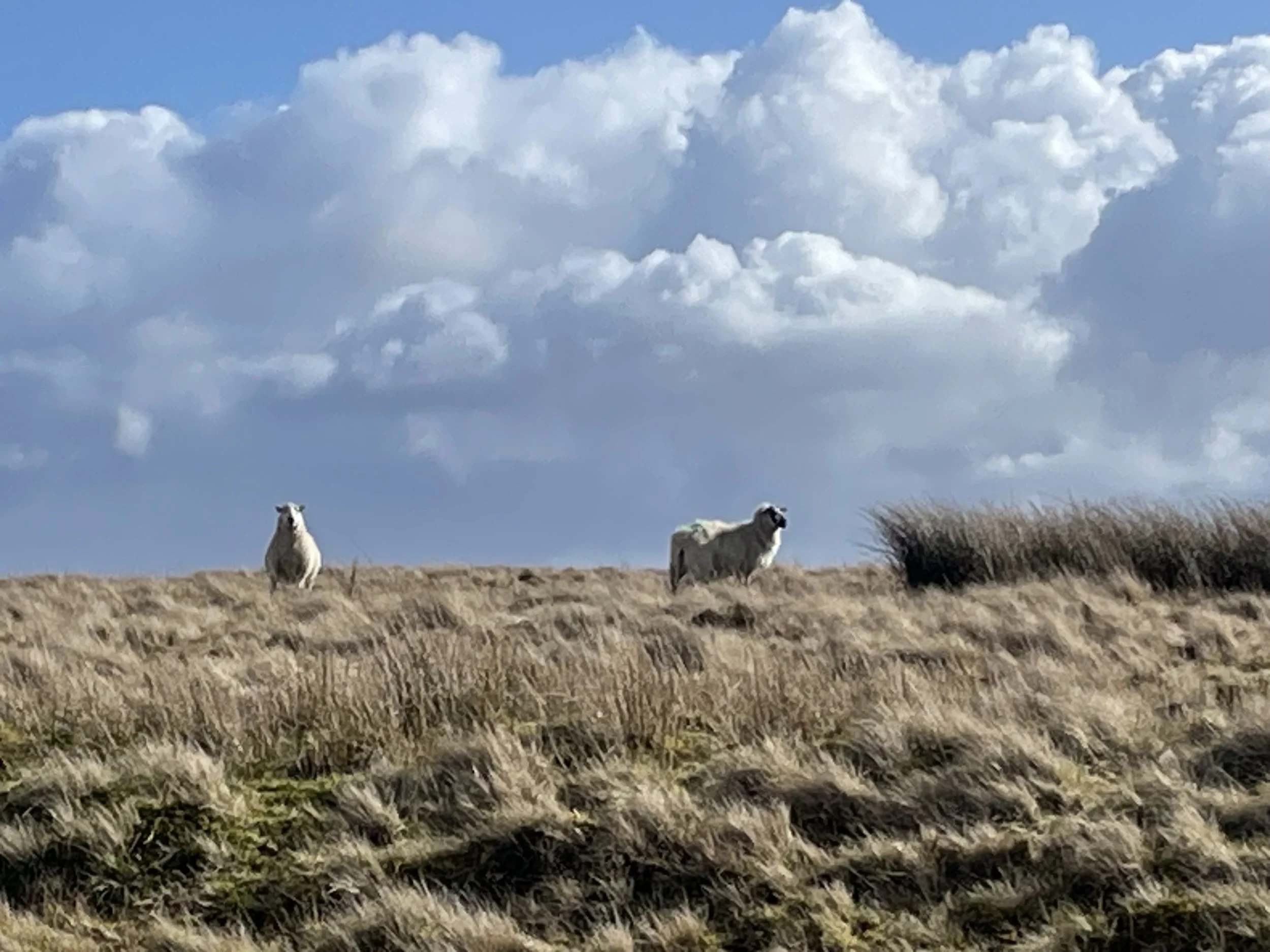
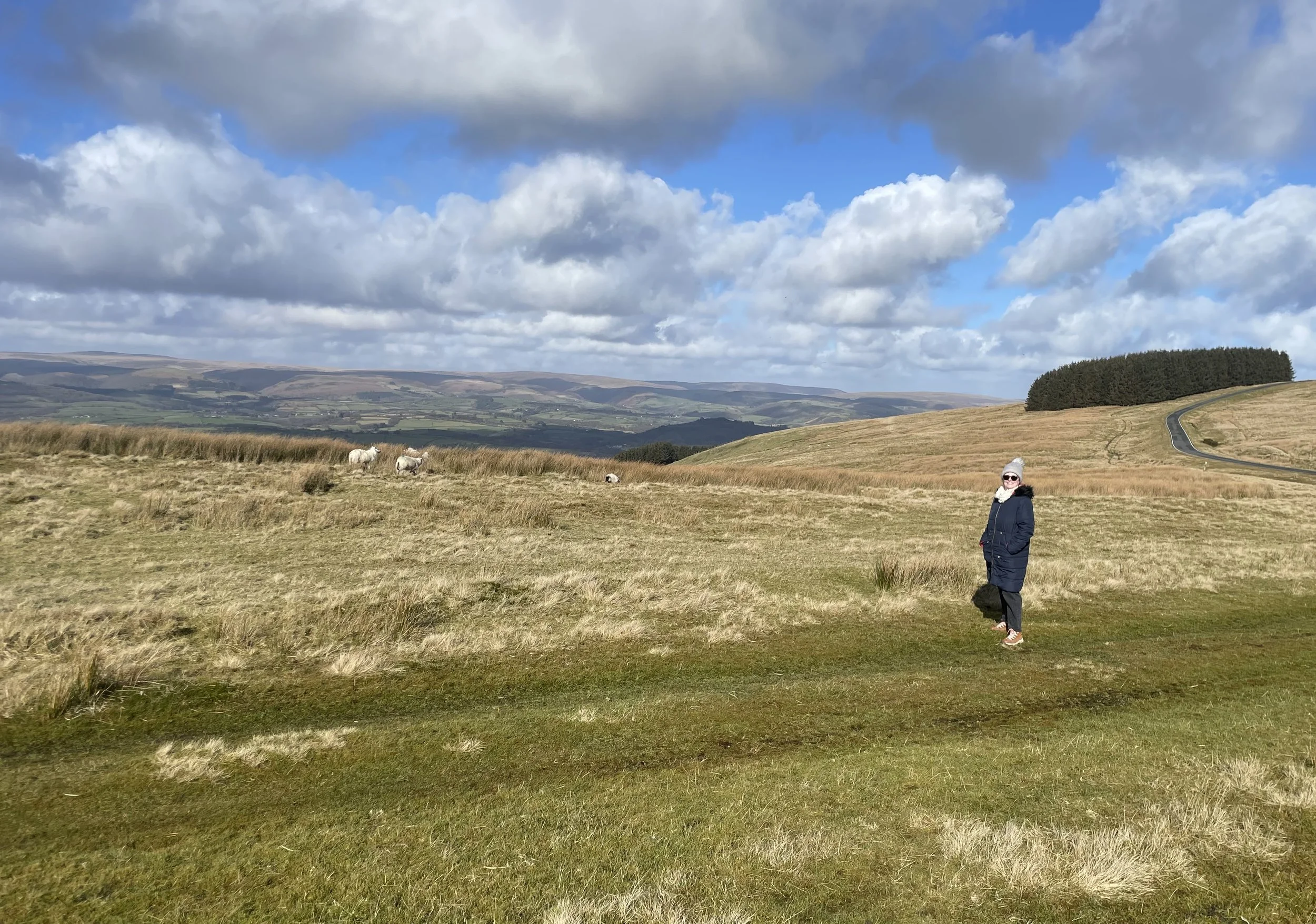
In Before the Mountain Falls, my Welsh setting is a fictional town called Pontybrenin - the same town features in my previous historical novels. Because it’s fictional, and I’ve deliberately never said explicitly where in Wales I imagine it to be, I could get away with adding a mountain on the northern edge of the town, inspired by the real Welsh mountain Mynydd Epynt.

In 1940, fifty-four farming families were given weeks to leave their homes on Mynydd Epynt so that their fertile agricultural land could be taken over for use by the military. Their dispersal was a devastating event for them, and it dealt a severe blow to the survival of the Welsh language, which was spoken by the farmers. Cut off from their community and livelihoods by the stroke of an administrator’s pen in faraway London, many of them had to move to areas where only English was spoken.

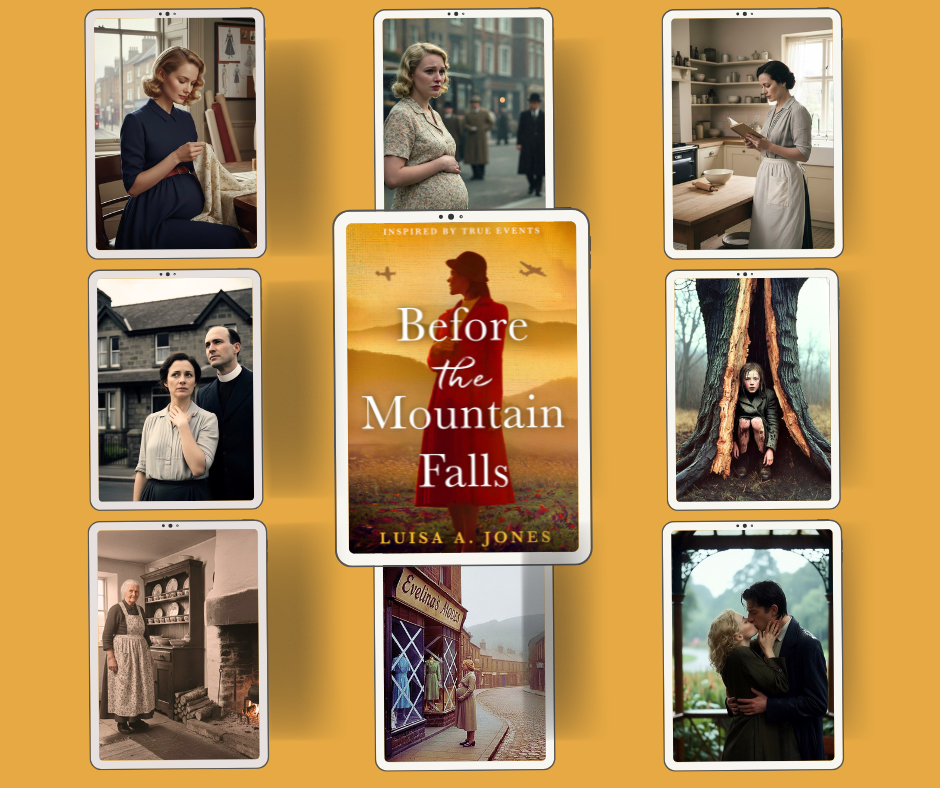
I was so moved by the history of what happened to the community on Mynydd Epynt, I took these events as inspiration for Before the Mountain Falls. The main character in the novel, a pregnant young English woman called Norma Sparrow, is evacuated to a Welsh community struggling to stop the war encroaching on their lives.

The novel covers some pretty intense social issues and historical topics. Share a few of those with us and why they became a focus in writing the story.

As well as taking inspiration from the evictions from Mynydd Epynt, I also wanted to reflect on how unmarried pregnant women have been treated in the past. Women in my own family have been affected by issues around this, including one who had no choice but to seek to have her baby adopted. Her sense of shame was profound, especially as she had conceived as the result of a date rape – not that it would have been acknowledged as such in those days. It makes me furious to think how women have been so often blamed for things over which they have little control, and made to shoulder the burden of such traumas.

In Before the Mountain Falls, becoming pregnant outside of wedlock means Norma loses her respectability, her job and her home. Desperation leads her to tell lies to avoid further disgrace. When writing the book, it wasn’t hard to imagine how someone might be forced to do desperate things in such circumstances. Evacuation, a false name and a second-hand wedding ring give Norma a chance of starting afresh, but without those she could easily have faced absolute ruin in the days before a welfare system that might enable her to support herself and a child.

Discuss billeting in WW2, which your novel includes. How was it different for pregnant women and mothers of small children?

In WW2, pregnant unmarried women were often evacuated to maternity homes where they would have to perform long hours of menial work for their keep, before their babies were taken away for adoption. Married pregnant women might have a happier time of it, if they could afford to pay for their care.

It wasn’t easy for city women who were evacuated with their infant children. They could only take as many items as they could carry on a train, which might not even include a pram. They would often have worries about family members left behind in the city, and it wasn’t always possible for them to be billeted together with all their children.

Rural families were often reluctant to take them in and have their lives disrupted by sharing a home with a family whose attitudes and behaviours might be very different from their own. There was little housing available for young families arriving from the cities, especially after the Blitz started in 1940, and mothers were sometimes allocated houses which had been condemned as unfit for habitation.

In rural areas, women who had been evacuated with young children often wouldn’t have access to the kinds of facilities they were used to, like buses, shops or cinemas. It would be very isolating for women who were cut off from their friends and wider family and the communities they’d come from. The countryside environment might seem strange and primitive to someone who had spent their whole life in a busy city. I read about one woman who said the hills in the countryside were “driving her crackers”! It must have been incredibly difficult for them.

How different was life in the city of London as compared to life in a rural village in Wales? How did Norma deal with these differences?

Norma is like a fish out of water in the Welsh town of Pontybrenin. She’s accustomed to busy streets which are never quiet or completely dark, even at night. She’s always lived in a multi-cultural environment, with people from around the world living near the docks in East London. Although it’s dirty and crowded, the city is all she knows. When she first arrives in Wales, she finds the amount of greenery around her unsettling, and the lack of variety in the shops makes the town seem dull. She throws herself into trying to find work and enjoys visiting the local café, which has coffee as good as any she’s tried in London – but ultimately her life would be lonely if not for the friendships she forges with Miriam and Aneurin Powell.

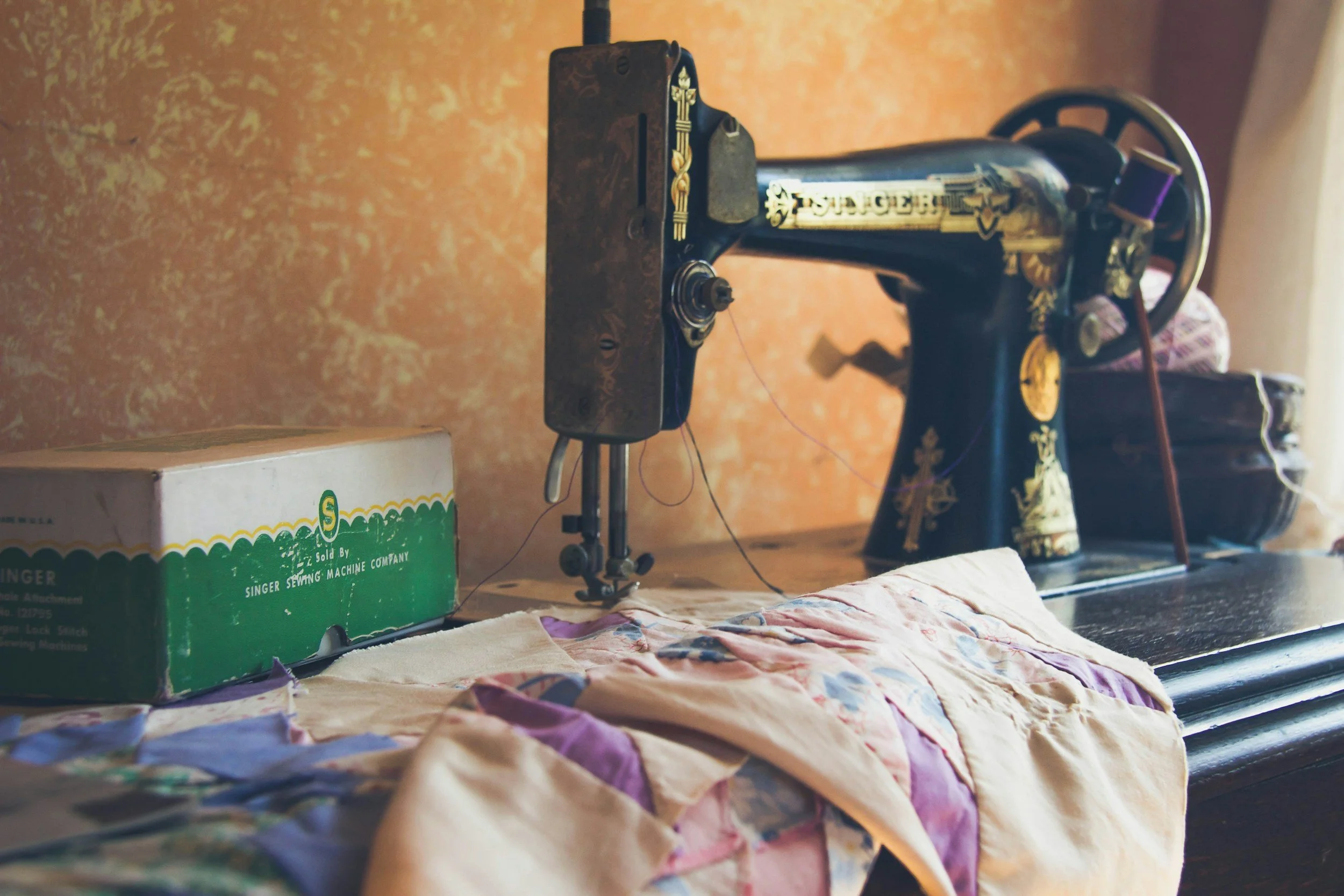
How important was sewing to Norma and what did it mean for her to make her own clothes?

Sewing means a great deal to Norma. Being able to sew isn’t just a skill that enables her to work, although this is vital as she has no one to provide for her. It’s also a means for her to be creative, and to express herself. She loves to make clothes which give her a smart appearance, because her poverty-stricken childhood meant she was often dirty and unkempt, and people looked down on her. Being able to wear stylish clothing, and having a talent or skill, makes her feel worthy of respect. Sewing also enables her to spread some happiness, knowing other women will gain pleasure from looking their best in clothes she has sewn.

Grace, Law, Judgement, Forgiveness. What do each of these words mean in the context of your story?

This question brings to mind a saying: grace is when we don’t get what we deserve, but we’re given what we don’t deserve. On the level of traditionally religious law, Norma deserves punishment for the sin of falling pregnant outside marriage. However, the judgement and punishment meted out by society falls solely and unfairly on her, not on the father of her child. The punishment of losing her job, her home, her good name, and the choice of whether or not to keep her baby, is also completely disproportionate to her sin of “giving a man what he could easily take.” What she actually deserves, and needs in order to live a better life in future, is grace, forgiveness and understanding. If only the world had more of those!

Tell us a bit about Emrys and did he practise what he preached?

Emrys is a deeply moral and religious man who is keen to do what’s right. He’s experienced terrible trauma during the First World War, and this has shaped both his Welsh nationalist politics and his pacifist views, which were not uncommon among nonconformist Protestants in Wales in the 1930s. His generation was keen to avoid a repeat of the carnage they had seen in their youth. For Emrys, anything which supports war and killing is sinful. In line with others of his background, he is also against drinking alcohol, the sins of adultery and fornication, and, of course, dishonesty or deceit.

Unfortunately, his desire to be good and to lead others along a righteous path can blind him to the need to extend grace and forgiveness. He despises Norma, and fails to recognise that she’s not a bad person – she’s just attempting to get by in a cruel world that would see her ruined.

Emrys’s uncompromising beliefs also lead him into conflict with his son, who is torn between the desire not to kill and the need to see Nazism defeated.

There are so many beautiful and heart touching scenes in Before the Mountain Falls. Which one was your favourite to write and why?

My favourite scene to write was the Christmas Plygain service in the mountain chapel. This is based on the last Plygain which took place in Babell Chapel on Mynydd Epynt on Christmas morning, 1939. I read testimony about the farmers crossing the mountain in the dark with their lanterns, gathering together to sing and to greet the dawn of Christmas Day. I could picture it so vividly, especially after attending a Plygain service myself in the course of my research. I hope the scene will resonate with readers.

Describe with four words for each the characters of Aneurin, Joe and Dickie.

Aneurin: Gentle; Kind; Peacemaker; Optimist.

Joe: Realist; Paternal; Wise; Good-humoured.

Dickie: Selfish; Dangerous; Charmer; Cad.

How was Miriam, the minister’s wife, and Gwenllian, her mother-in-law, different or the same? What vices and virtues did they each have?

Although Miriam and Gwenllian don’t seem to have much in common on the surface, they both love Emrys and Aneurin, and are devoted to their families. Both are maternal and gain satisfaction from helping others. However, Gwenllian is confident and abrasive, while Miriam is placatory and dutiful. Gwenllian respects outward courage, and because her daughter-in-law’s courage is inward and quiet, she doesn’t appreciate quite how much Miriam possesses this strength.

Although Miriam is guided by her husband, she does stand up to him when she feels strongly about something. Because he’s so uncompromising and forceful, she sometimes finds it easiest to keep secrets from him or to manipulate him into doing what she wants. Gwenllian can also be manipulative, but she’s more open about it.

Have you always wanted to be a writer? What or who inspired you to take this creative path? Share highlights of your publishing journey.

As a child, I loved to read, and I used to enjoy writing stories. However, the idea of ever being able to work as a writer was so far from the experience of anyone I knew that it didn’t occur to me to aspire to be one.

I come from a creative family, so in some ways I’ve been inspired by them to follow a creative path, even though I came to it late. My mother trained as an art teacher and still enjoys painting. Since his retirement from work, my father has developed his skills as an artist. I have two younger brothers, one of whom is a musician and the other a graphic designer. My grandmother was an incredibly skilled seamstress, and my great-grandmother used to write an anonymous column for her local newspaper.

In addition to these role models, I was inspired by authors like Jojo Moyes, who was generous enough to respond when I wrote to her in 2016 to tell her I loved her books, and that I also enjoyed writing. She wrote back: “Good luck with your own writing - keep going, it took me three attempts to get published!”

Encouraged, I self-published my first two novels, then was thrilled to be offered a contract by Storm Publishing, who believed in my first historical novel The Gilded Cage. That deal made my dreams come true, and three books later I’m still pinching myself!

One question we are all asking: will there be a sequel to Before the Mountain Falls?

There won’t be a sequel as such, I’m afraid. I’m currently in discussions with my publisher about another possible historical novel set in Pontybrenin during the Second World War, but it won’t focus on Norma or the Powell family.

If you could time travel, where and when would you go, who would you like to meet and what two questions would you like to ask her/him?

This is such an interesting question, and I’ve found it very difficult to choose just one person to meet! I’ve decided to go back to the early 1300s, to Sempringham Priory in Lincolnshire, to meet the last Welsh Princess of Wales, Gwenllian ferch Llywelyn. Her father, Prince Llywelyn ap Gruffudd, was murdered by the English in an ambush in 1282, when Gwenllian was only six months old. The baby princess was taken to a remote English priory to live behind its high walls for her entire life. She was brought up as a nun, speaking the language of her country’s conquerors, denied the chance to marry or have children who might try to reclaim the principality of Wales.

I’d like to ask if she knows about her birth family, as it’s possible that she was never told the truth of her origins. I’d also like to ask if she’s pleased that her memory is still honoured 800 years after her lifetime, along with the memory of her father.

It would be fascinating to have a glimpse into this monastic community of women, who hopefully were living fulfilling and interesting lives even if they hadn’t necessarily ever had a choice in their monastic existence. I also hope it would be some comfort to Princess Gwenllian to know that her family’s legacy is remembered with pride in Wales even after so many centuries have passed.

Thank you Luisa for being my guest author. It has been an honour and I wish you well on the release of your inspiring new historical fiction novel! And readers purchase a copy of this magnificent novel and drop by Luisa’s website for more information.

Cindy L Spear